Understanding gambling addiction Breaking the cycle of compulsion
What is Gambling Addiction?
Gambling addiction, also known as compulsive gambling, is a behavioral disorder where individuals find themselves unable to control their urge to gamble. This persistent compulsion often leads to significant financial, emotional, and social consequences. Unlike casual gambling, those suffering from this addiction may prioritize gambling over essential responsibilities, relationships, and their overall well-being. Engaging in games such as Ballonix can sometimes provide an escape, but the underlying issues often remain unaddressed.
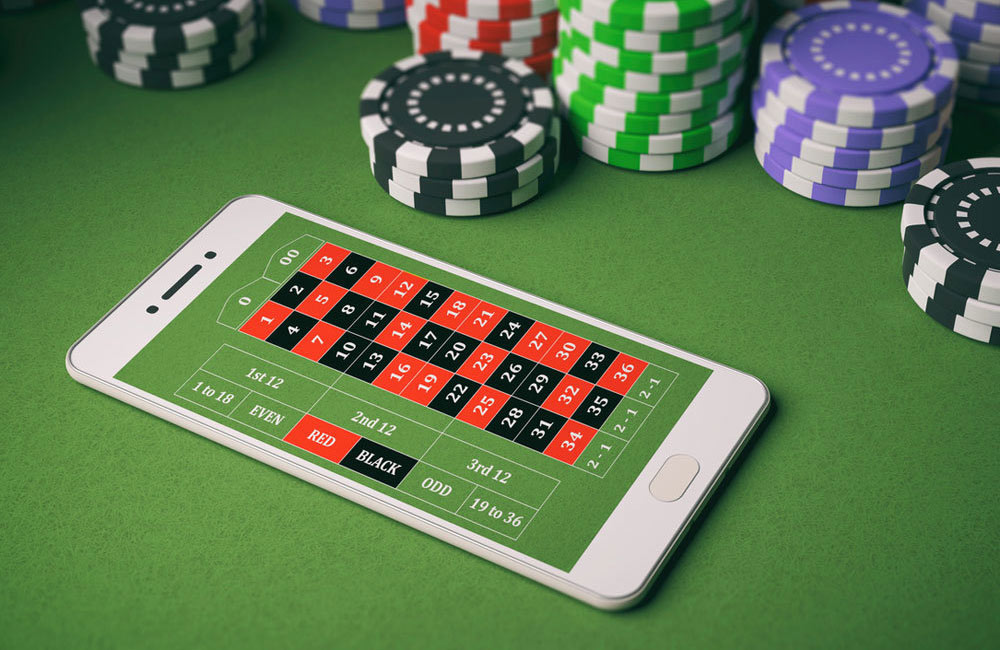
Recognizing the signs of gambling addiction is crucial for both the affected individuals and their loved ones. Symptoms can include a preoccupation with gambling, increasing amounts of money wagered to achieve excitement, and chasing losses. These behaviors create a damaging cycle that can be difficult to break without intervention.
The Psychological Impact of Gambling Addiction
The psychological aspects of gambling addiction can be profound and distressing. Many individuals use gambling as a coping mechanism to escape stress, anxiety, or depression, only to find themselves trapped in a cycle of guilt and despair. The thrill of winning can create a temporary high, but losses typically lead to feelings of worthlessness and hopelessness.
This cycle not only affects the individual but also their relationships. Family members and friends may feel the strain as financial troubles escalate and communication breaks down. This isolation can further exacerbate mental health issues, leading to a vicious cycle where gambling becomes the only perceived solution.
Breaking the Cycle of Compulsion
Breaking free from gambling addiction requires a combination of self-awareness, support, and professional help. Recognizing the problem is the first step; once an individual acknowledges their addiction, they can begin to seek treatment. Therapy options such as cognitive-behavioral therapy (CBT) have proven effective in helping individuals change their thought patterns and behaviors associated with gambling.
Support groups, like Gamblers Anonymous, provide a community for sharing experiences and coping strategies. These networks offer valuable resources, helping individuals feel less isolated and more empowered to combat their addiction. Establishing a strong support system is essential for long-term recovery and personal growth.
Resources for Gambling Addiction Recovery
Numerous resources are available for those seeking to overcome gambling addiction. From hotlines to local support groups, individuals can find assistance tailored to their needs. Many organizations also provide educational materials that explain the signs of addiction and offer strategies for family members to support their loved ones.
Additionally, online forums and virtual support groups have emerged, offering 24/7 access to help and information. These platforms can be particularly beneficial for those who may feel embarrassed or ashamed to seek help in person. Utilizing these resources can greatly enhance the chances of recovery and provide individuals with the tools they need to rebuild their lives.
Engaging with a Community for Healing
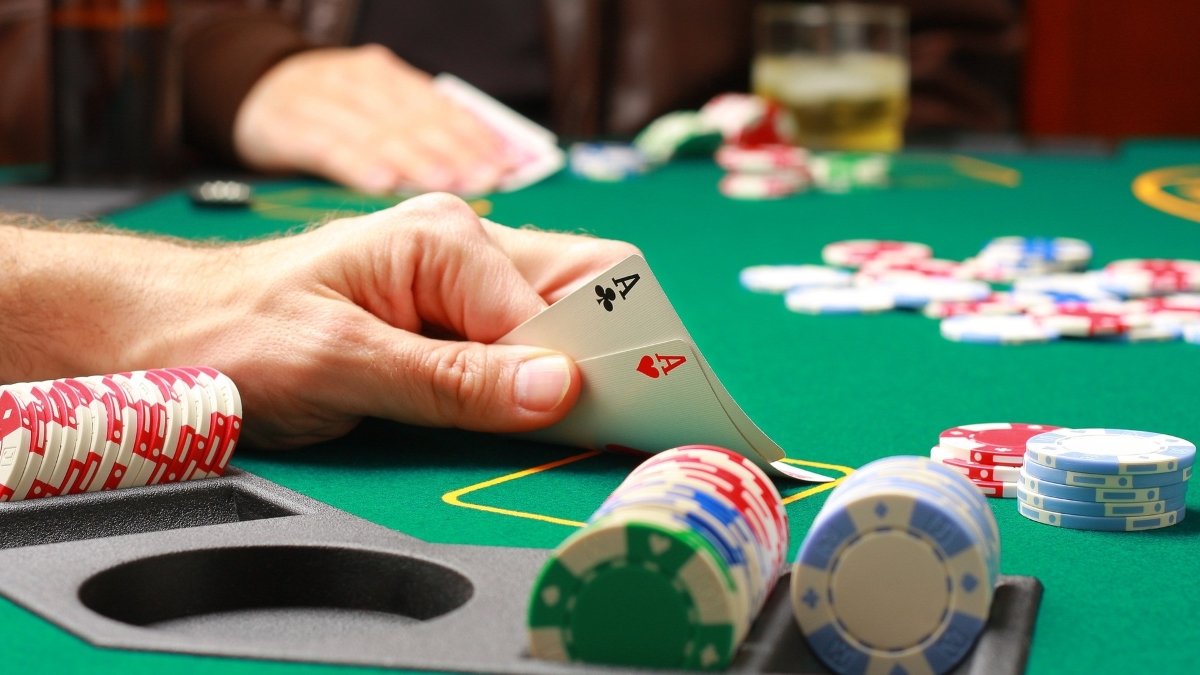
Understanding gambling addiction and breaking the cycle of compulsion is a journey best taken with support. Communities, both online and offline, can foster a sense of belonging and hope. Engaging with others who share similar experiences can provide comfort, validation, and encouragement, essential components in the recovery process.
As individuals work towards healing, they can explore various forms of entertainment, such as gaming that encourages responsible participation. Such avenues can promote healthy decision-making and offer enjoyable experiences that do not revolve around gambling. Building a new lifestyle focused on positive activities will be pivotal in sustaining recovery and well-being.